The Digital Product Passport (DPP) is a unique digital record for each physical product placed on the market in the European Union. It can be accessed via a QR code…
The regulatory landscape for the use of ethanol as an active substance has taken a decisive turn that will set the pace for the chemical and disinfection industry in the…
In May 2025, the UK government and the European Union (EU) formally agreed to negotiate a new agreement on Sanitary and Phytosanitary Measures (SPS). This agreement, together with the Windsor…
The European Commission has adopted Implementing Regulation (EU) 2025/973, which introduces key updates to the regulations governing the use of products and substances in organic farming. One of the most…
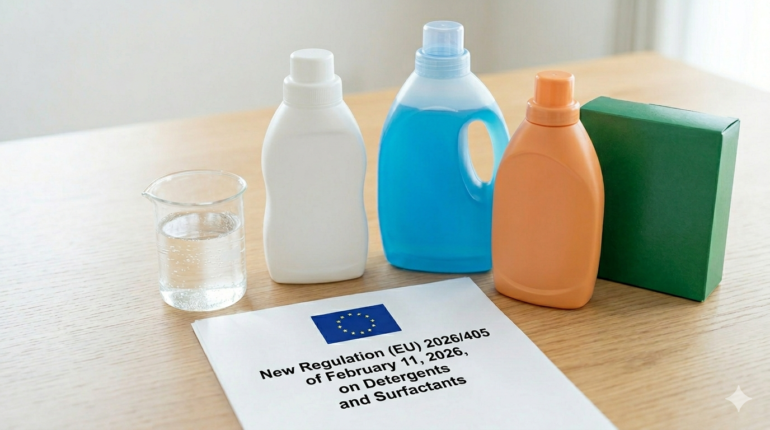
The European Union has approved Regulation (EU) 2026/405 to modernize the cleaning sector, replacing the 2004 legislation to focus on environmental sustainability, consumer safety, and digital transformation. Sustainability and Environmental…
Since the entry into force of Regulation (EU) 2019/1009 (FPR) on fertilising products, the CE Marking system has sought to harmonise and facilitate the free movement within the internal market…
The Organic Foods Production Act of 1990 (OFPA) is a U.S. legislation enacted as part of the Food, Agriculture, Conservation and Trade Act of 1990. Its purpose is to establish…
The European Chemicals Agency (ECHA) has launched a public consultation on the availability of substitutes and alternatives to ethanol in certain biocidal products. This consultation is part of the European…
On October 2, 2024, the European Commission published the Implementing Regulation (EU) 2024/2575, which indicates the approval date of Prallethrin as an insecticide biocidal active substance (PT18). The effective date…
On 25 February, the European Parliament adopted the proposal to amend the Biocidal Products Regulation (BPR). The amendment clarifies some ambiguous terms and errors which were identified not long after…